
THE WIRE / DISEASE
WHO reports two MERS cases in Qatar, both among camel workers. All 99 contacts tested negative.
The infections were confirmed in August, notified in October, and look like separate spillover from camels, not spread between people.
What happened
On July 22, 2026, a man over 50 with chronic medical conditions who worked with dromedary camels in Qatar developed symptoms. He was admitted to hospital on July 25. An upper-respiratory test for MERS coronavirus was first negative; a later lower-respiratory sample tested positive, and the infection was laboratory-confirmed on August 5, the World Health Organization said. He reported longstanding occupational contact with camels, including in the two weeks before he fell ill, but not drinking raw camel milk and no recent travel. He recovered and was discharged after two consecutive negative PCR tests. Investigators identified 73 contacts — 11 close contacts and 62 health and care workers. All were tested, monitored for 14 days after their last exposure, and tested negative.
A second man over 50, who bred and reared camels and also had chronic medical conditions, developed symptoms on August 23. Two nasal samples tested positive for MERS coronavirus on August 25. In the two weeks before he fell ill he had been caring for recently sick young camels and had drunk raw camel milk; he had no recent travel, WHO said. He developed severe MERS pneumonia with acute respiratory failure and needed high-flow oxygen and non-invasive ventilation. He also recovered and was discharged after two consecutive negative PCR tests. Investigators identified 26 contacts — four close contacts and 22 health and care workers — all of whom tested negative. One health and care worker developed respiratory symptoms but tested negative twice. There were no secondary cases.
The two men worked at geographically separate camel farms, and WHO said no epidemiological link was found between the farms or the patients. The precise sources of infection remain undetermined. WHO judged the infections to be probable spillover from camels rather than spread between people. Qatar notified WHO of the two laboratory-confirmed cases on October 29. WHO published a Disease Outbreak News report on November 13. Qatar had not reported a MERS case since 2022.
Background and history
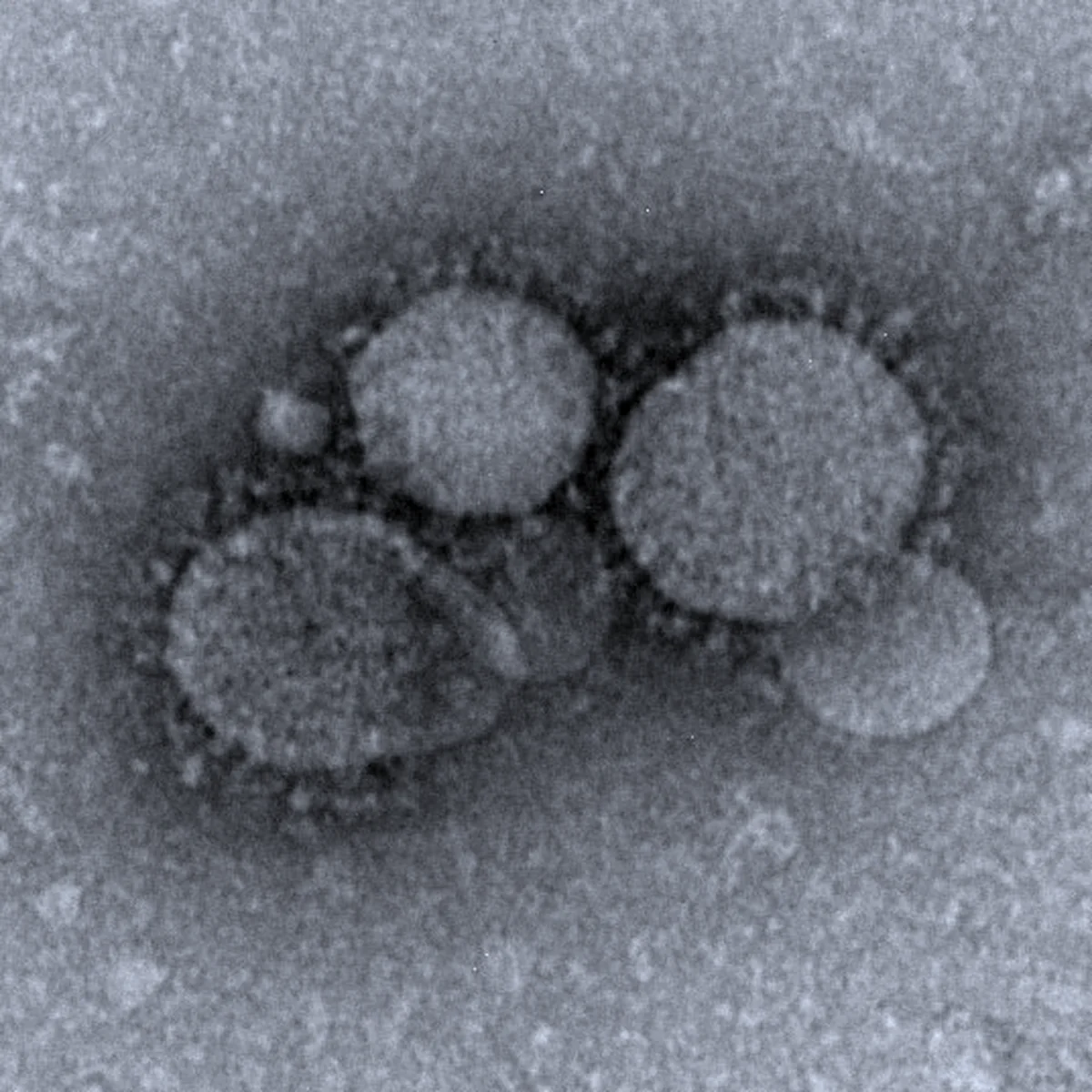
Middle East respiratory syndrome is caused by MERS-CoV, a coronavirus first identified in Saudi Arabia and Jordan in 2012, according to WHO. Dromedary camels are the natural host and the main source of infection in people. People can also catch it from other people, especially in hospitals and among close contacts, through infectious respiratory particles and through direct or indirect contact. Sustained spread between people has not been documented.
Since 2012, 27 WHO member states have reported cases. WHO says more than 2,600 laboratory-confirmed human infections have been reported, about 84 percent of them from the Arabian Peninsula. Among confirmed cases, about 37 percent have died. WHO cautions that this figure may overstate the true death rate, because milder infections often go undetected or unreported.
Illness ranges from no symptoms to severe respiratory failure. Fever, cough and shortness of breath are common, and pneumonia is often seen. Some patients have gastrointestinal symptoms such as diarrhea. Older adults, people with weakened immune systems, and people with chronic conditions such as diabetes, kidney failure or chronic lung disease are at higher risk of severe disease. Hospital outbreaks have occurred in several countries when cases were not recognized early and infection-control measures were delayed.
Our analysis
The picture WHO describes is two unlinked, occupational infections in camel workers, not a community or hospital cluster. All 99 identified contacts, including 84 health and care workers, were monitored for 14 days and tested negative. That is the central fact for anyone asking whether these cases are spreading.
The second patient was severely ill and needed breathing support, which fits what is known about MERS in people with chronic conditions. Both men recovered and were discharged. The infections were confirmed in August and only notified in late October, so this is not a rapidly unfolding outbreak on the day the notice appeared.
Our scanner ranked the story 7, Major, because the source is an official WHO notice and because confirmed MERS cases have a high reported fatality rate. We think that over-ranks this event: the patients recovered, the cases are months old, and there is no evidence of spread between people. Our read of the risk to a general reader, including in the United States, is low. WHO's overall assessment of MERS, in a rapid risk review dated January 29, 2026, remains moderate at the regional and global level, because sporadic spillover from camels continues and hospital spread or imported cases are still possible.
What to watch next
The account holds if no new cases appear among people without camel contact and if Qatar's reports stay sporadic. A hospital cluster, or new cases linked to these patients, would change the picture; WHO would be expected to issue a follow-up notice.
No action is needed in the United States. WHO advises travelers to the Arabian Peninsula to avoid contact with camels and not to drink raw camel milk or eat undercooked camel meat, and it urges health workers to use standard infection-control precautions and to consider MERS testing for patients with compatible illness and relevant exposure or travel.
Sources
Confidence and rank
Our confidence is high. Official WHO Disease Outbreak News report based on Qatar's notification; the exact infection source is undetermined.
Our read of the risk to a general reader is low — Two recovered, unlinked cases with no secondary infections; WHO describes them as sporadic zoonotic spillover.
How we rank
Ranks run from 0 to 10 and follow published scoring rules, including how widely a story reaches and how many independent sources report it. A high rank is not the same as a high risk to you. How we score →
More on The Wire