โš ๏ธ Educational guide only, based on Ready.gov/FEMA, CDC, EPA, Red Cross and US Army survival manual principles. Not medical or legal advice. In an emergency call 911 and follow local officials and evacuation orders first.

๐Ÿšฆ Start here: what matters first

  1. ๐ŸฆบSafety
  2. ๐ŸฉนBleeding & breathing
  3. โ›บShelter
  4. ๐Ÿ’งWater
  5. ๐Ÿ“ปInfo & contact
  6. ๐ŸฒFood
Illustration by blackout.network

3๏ธโƒฃ The Rule of 3s: how long you can go withoutโ€ฆ

โฑ First 72 hours: do these in order

A packed go-bag next to a clock: the first 72 hours, done in order
Illustration by blackout.network
Do it in order.Food comes last. You have time.

1. ๐Ÿฆบ Get away from danger

๐Ÿ”ฅFire, damaged buildingsMove away
โšกDowned power linesStay far back
๐ŸŒŠFlood waterStay out: holes, live wires, sewage
๐Ÿ‘ƒGas smellLeave. No switches. Call from outside
โ˜ ๏ธGenerator, grill or stove indoorsNever: carbon monoxide kills
๐ŸฉนCheck peopleCall 911. Life threats first

2. ๐Ÿ’ง Water: 1 gallon per person per day

๐Ÿ›Fill containers and tubs before the storm
๐ŸฅคDon't ration: drink what you need today
โ™จ๏ธBoil-water notice? Treat all drinking water

3. โ›บ Shelter, warmth or cooling

๐Ÿ Sound building, or a public shelter if told to evacuate
โ˜€๏ธHeatShade, airflow, wet cloth on skin, rest in the hottest hours
โ„๏ธColdLayers, blankets, one warm room

4. ๐Ÿ“ป Information & contact

๐Ÿ“ปBattery or hand-crank NOAA Weather Radio + AM/FM
๐Ÿ’ฌText, don't callTexts get through busy networks
๐Ÿ”‹Save battery: low-power mode, dim screen
๐Ÿ“Out-of-area contact + meeting place

5. ๐Ÿฒ Food: eat in this order

6. ๐ŸŽ’ Go-bag check

๐Ÿ’งWater + treatment (filter, tablets, unscented bleach + dropper)
๐Ÿฅซ3 days of food + manual can opener
๐Ÿ”ฆFlashlight, spare batteries, NOAA radio
๐ŸฉนFirst-aid kit, meds (7 days), glasses
๐Ÿ“„ID, insurance, medical info in a waterproof bag; cash
๐Ÿ”ŒCharger, power bank, paper map
๐Ÿ“ฏWhistle, dust masks, gloves, duct tape, multi-tool
๐ŸงฅRain gear, clothes, sturdy shoes, bug spray, sunscreen
๐ŸงปHygiene, wipes, garbage bags; pet food & carrier
๐Ÿ”ฅLighter/matches (waterproof case), emergency blanket

๐Ÿ’ง Water

Three ways to make water safe: settle and pour through a cloth filter, bring it to a rolling boil, or add unscented bleach drops and wait 30 minutes
Illustration by blackout.network
All outdoor water must be treated.Boil if you can. Bleach or tablets if you can't. Filter cloudy water first.

๐Ÿ”€ Is this water safe to drink?

Chemical smell, oily sheen, dead animals nearby, flood water, or farm/industrial runoff?
Yes
๐Ÿšซ Don't drink it. Find another source.Boiling doesn't remove chemicals.
No
Cloudy?
Yes
๐Ÿงน Let it settle, then pour through a clean cloth, paper towel or coffee filter
No
Can you boil it?
Yes
โ™จ๏ธ Rolling boil 1 minute3 minutes above 6,500 ft (CDC). Cool, store covered.
No
๐Ÿงด Unscented bleach or tabletsSee the dose below. Wait 30+ minutes.
Illustration by blackout.network

๐Ÿงด Bleach dose (if you can't boil)

๐Ÿ“Š Which method kills what?

MethodBacteriaVirusesParasites (protozoa)ChemicalsWait
โ™จ๏ธ Boil (best)โœ“โœ“โœ“โœ—1 min boil + cool
๐Ÿงด Bleachโœ“โœ“โ—โœ—30 min
๐Ÿ’Š Chlorine dioxide tabletsโœ“โœ“โ—โœ—Per package (30 minโ€“4 h)
๐Ÿงช Backpacking filterโœ“โœ—โœ“โœ—None

โœ“ works ยท โ— partly (some parasites survive chlorine; chlorine dioxide covers more) ยท โœ— no. Follow tablet directions exactly.

Illustration by blackout.network

๐Ÿ”Ž Where to find water

๐Ÿ Inside firstStored water ยท water heater tank (power/gas off first, drain from the bottom valve) ยท ice cubes ยท toilet tank (not the bowl; not with chemical cleaners)
๐ŸŒงOutside: treat it allRain in clean containers ยท springs ยท streams ยท lakes. Moving, clear water beats stagnant.

โ›บ Shelter

Tarp lean-to, side view: the high edge tied to a ridge line between trees, the low edge staked to the ground facing the wind and rain, with a thick insulating bed underneath
Illustration by blackout.network
High, dry, nothing overhead, off the ground.The ground steals body heat fast, even in mild weather.

๐Ÿ“ Pick the spot

Shelter site choice: a tent on high, well-drained ground is good; a low dry wash that floods and a dead tree with hanging branches overhead are bad
Illustration by blackout.network
โ›ฐ๏ธHigh, well-drained ground
๐ŸŒŠNot a dry wash, ditch or flood zone
๐ŸŒณLook up: no dead trees or hanging branches
๐ŸœNo ant mounds, nests, animal trails, standing water
๐Ÿ’งNear (not next to) water, out of the wind

๐Ÿ› Insulate from the ground

Ground insulation: lying on bare ground, body heat flows down into the soil; lying on a thick bed of dry leaves at least 6 inches deep, the heat stays with you
Illustration by blackout.network

Use a pad, cardboard, or a 15+ cm (6+ in) bed of dry leaves, pine straw or palm fronds.

๐Ÿ‚ Build a debris hut in 4 steps

Debris hut step 1: a long ridge pole propped on a forked stick at about hip height, angled down to the ground
Illustration by blackout.network

Ridge pole on a forked stick, hip height, sloping to the ground

Debris hut step 2: sticks leaned along both sides of the ridge pole like ribs
Illustration by blackout.network

Lean sticks along both sides like ribs

Debris hut step 3: dry leaves and debris piled very thick, about an arm's length, over the whole frame
Illustration by blackout.network

Pile dry leaves very thick (an arm's length); stuff the inside too

Debris hut step 4: keep it small, just big enough for your body, so it holds your warmth
Illustration by blackout.network

Keep it small: just big enough for your body

๐ŸŸฆ Tarp: lean-to or A-frame

๐ŸชขTie a ridge line between two trees
โ›บDrape over (A-frame) or tie one edge low (lean-to) into the wind
๐Ÿ“ŒStake tight; slope so rain runs off
๐ŸŒด Hot-humid climates (Florida, Gulf Coast, tropics) Shade and airflow matter more than warmth most of the year. Pitch the tarp high with open sides, keep off wet ground, use a bug net, long sleeves and repellent (mosquitoes carry disease). Check for ticks and fire ants; watch for snakes when moving debris. Summer afternoon lightning: avoid lone tall trees and open high ground.

๐Ÿ”ฅ Fire

Teepee fire lay in a ring of stones: a tinder bundle in the middle, pencil-thin kindling leaned over it, and wrist-thick fuel logs set aside, gathered before lighting
Illustration by blackout.network
Gather everything before you strike.Tinder โ†’ kindling โ†’ fuel. Dead branches still on trees are usually drier than ground wood.
The fire triangle: heat, fuel and oxygen. Remove any one side and the fire goes out
Illustration by blackout.network

โ˜€๏ธ Heat + ๐Ÿชต Fuel + ๐Ÿ’จ Oxygen
Take one away and it goes out.

Build in stages: a tinder bundle that catches a spark, then pencil-thick kindling, then wrist-thick fuel
Illustration by blackout.network

Tinder โ†’ kindling (pencil-thick) โ†’ fuel (wrist-thick+). Add gently; don't smother it.

๐ŸŒพ Good tinderDry grass, cattail fluff, birch bark, dry pine needles, cotton balls with petroleum jelly, dryer lint.

๐Ÿ”ฆ Ways to light it

ToolEaseWet weatherTip
๐Ÿ”ฅ Lighterโ˜…โ˜…โ˜…โ—Easiest. Carry two.
๐Ÿงจ Matchesโ˜…โ˜…โœ“Stormproof ones, sealed container
โœจ Ferro rodโ˜…โœ“Scrape firmly into fluffy tinder. Practice first.
Illustration by blackout.network

๐Ÿงฏ Fire safety

Fire safety: clear a 3 metre (10 foot) circle down to bare soil around the fire ring, and keep water or sand ready
Illustration by blackout.network

Clear 3 m (10 ft) to bare soil ยท use an existing fire ring ยท check burn bans

๐Ÿ‘€Never leave itKeep water or sand nearby
๐Ÿ’งPut it outDrown โ†’ stir โ†’ feel for heat
โ˜ ๏ธ Never run generators, grills, charcoal or camp stoves indoors, in garages or tents. Carbon monoxide is invisible and odorless.
Carbon monoxide safety: run a generator outside, at least 20 feet from doors and windows, with a battery CO alarm inside the home
Illustration by blackout.network

Generator outside, 20+ ft from doors and windows ยท battery CO alarms inside

๐Ÿฒ Food

Simple fishing kit in use: rod and line, a red-and-white bobber floating on the surface, a sinker and a small baited hook below, with a fish nearby
Illustration by blackout.network
Stored food first. Wild food last.Keep 3 days (ideally 2 weeks) of food that needs no cooking.
๐ŸงŠโžก๏ธโ„๏ธโžก๏ธ๐ŸฅซPerishables โ†’ frozen โ†’ canned/dry
๐ŸŒŠThrow outFood touched by flood water
๐ŸŒก๏ธThrow outAnything above 40ยฐF (4ยฐC) for 2+ hours

๐ŸŽฃ Fishing

๐ŸชLine, small hooks, sinkers, bobber
๐ŸชฑBait: worms, insects, bread
๐ŸŒ…Early morning & evening, near logs, docks, weed edges
๐Ÿ“‹License + limits (Florida: FWC). Cook fish thoroughly

๐Ÿชค Trapping: tightly regulated (Florida: FWC). In a true emergency, snares or fish traps are a last resort: know the law first and never trap protected species.

โš ๏ธ Foraging: if in doubt, don't. Many deadly plants look like edible ones. Only eat plants you can identify with certainty from multiple reliable sources or an expert. The Army "universal edibility test" is slow, risky and no shortcut: it doesn't protect you from the most dangerous plants or mushrooms. Never eat wild mushrooms unless an expert identifies them.

๐Ÿง‚ Preserve it

โ˜€๏ธDryThin strips, sun or low heat, until brittle
๐Ÿง‚SaltPack in plenty of salt; rinse/soak before cooking
๐Ÿ’จSmokeLow hardwood smoke for hours; hot-smoke to a safe internal temp
๐ŸŒด Hot-humid climatesHeat and humidity spoil food fast: preserve or eat it quickly. Coconuts, citrus and saw palmetto berries are known foods, but harvest only where legal and with permission. Shellfish can carry red-tide toxins: check FWC/health advisories.

๐Ÿฉน First aid

๐Ÿšจ What to do, in order

1. Is the scene safe?
No
Stay back. Don't become a second victim.
Yes
2. ๐Ÿ“ž Call 911 (or send someone)
3. Severe bleeding?
Yes
๐Ÿฉธ Stop it now (below)
No
4. Breathing normally?
No
โค๏ธ Start CPRPush hard and fast in the center of the chest.
Yes
5. ๐Ÿ›Œ Shock: keep them warm and lying down. Then treat other injuries.
Illustration by blackout.network

๐Ÿฉธ Stop the bleed: escalate until it stops

Stop the bleed: firm, direct pressure with gauze on a wound, and a basic first-aid kit
Illustration by blackout.network

Press hard with cloth or gauze. Don't lift to check.

Packing a deep wound: gauze or clean cloth pushed tightly into the wound, then firm pressure
Illustration by blackout.network

Deep wound on an arm, leg or junction? Pack it tight and keep pressing.

Tourniquet on a limb: the band goes 2 to 3 inches above the wound, not on a joint; tighten until bleeding stops and note the time
Illustration by blackout.network

Pressure won't stop limb bleeding? Tourniquet 2โ€“3 in above the wound (not on a joint). Tighten until it stops. Note the time.

Take a Stop the Bleed class.

๐ŸŒก Heat illness: know the difference

๐Ÿ˜“Heat exhaustionHeavy sweating, cramps, weakness, nausea
โžก๏ธ Shade/AC, loosen clothing, cool wet cloths, sip water
๐ŸšจHeat stroke: call 911Confusion, very high body temp, may stop sweating, collapse
โžก๏ธ Cool them now: water + fanning, ice packs on neck, armpits, groin
Illustration by blackout.network

๐Ÿงผ Wounds & ๐Ÿ”ฅ burns

๐ŸงผCleanWash hands; rinse with treated water for several minutes
๐ŸฉนCoverClean dressing, change daily
๐Ÿ”ดInfection โ†’ get careSpreading redness, warmth, swelling, pus, red streaks, fever
๐ŸšฟBurn: cool 20 minCool running water. No ice, butter or creams. Cover loosely, non-stick
๐Ÿš‘Burn โ†’ 911Large, deep, face/hands/genitals, or electrical

๐Ÿงฐ Med kit

๐ŸฉนGauze pads & rolls, bandages, tape, elastic bandage
๐ŸŽ—๏ธTourniquet (CAT/SOF-T) + pressure bandage
๐ŸงคGloves, trauma shears, tweezers, thermometer
๐ŸงดAntiseptic wipes, saline/clean water
๐ŸฅคOral rehydration salts, emergency blanket, cold packs
๐Ÿ’ŠOTC pain/fever, antihistamine, anti-diarrheal (label only)
๐Ÿ“‹Your prescriptions + list of meds & allergies
๐Ÿ’Š Take prescriptions exactly as your doctor/pharmacist directs and OTC medicines only as the label says. This guide gives no dosing advice.

๐Ÿงญ Navigation

Orienting a map: a baseplate compass laid along a north-south grid line with the needle pointing to map north, and the Big Dipper's two pointer stars leading to the North Star
Illustration by blackout.network
Carry a paper map. Know your "catching feature".A road or river that stops you if you overshoot. Download area map PDFs in the Maps tab ahead of time.

๐Ÿ˜ฎโ€๐Ÿ’จ Lost? S.T.O.P.

โœ‹StopStay put. Don't wander.
๐Ÿง ThinkHow did you get here?
๐Ÿ‘€ObserveLandmarks, map, compass, sun
๐Ÿ—บPlanMove only with a plan, or stay and signal

๐Ÿงญ Orient the map in 3 steps

๐Ÿ“
Compass flat, away from metal and phones. Edge along a northโ€“south grid line.

๐Ÿ”„
Turn map + compass together until the needle points to map north. Adjust for declination (check NOAA's value for your location).

๐Ÿž
Match roads, lakes, power lines and towers to the map. Tick off landmarks as you pass.

๐Ÿ—บ Reading the mapLearn the legend: roads, water, contour lines (land shape) and scale.

โ˜€๏ธ Sun & โญ stars

The sun rises roughly in the east, is roughly due south around midday in the Northern Hemisphere, and sets roughly in the west
Illustration by blackout.network

East (rise) โ†’ South at midday โ†’ West (set)
Northern Hemisphere. Midday sun is due north in the Southern Hemisphere.

โญNorth Star (Polaris)Follow the Big Dipper's two "pointer" stars (map illustration above). Its height above the horizon โ‰ˆ your latitude.

๐Ÿ“ฃ Signaling

Distress signals in threes: three whistle blasts, and three fires set in a triangle
Illustration by blackout.network
3 of anything = distress.3 whistle blasts ยท 3 fires in a triangle ยท 3 rock piles ยท 3 flashes.
๐Ÿ“ฏWhistleCarries far, saves your voice. 3 blasts, pause, repeat
๐ŸชžSignal mirrorAim the flash over your fingers; sweep the horizon anyway
๐Ÿ’จSmokeDaytime: green leaves on a fire = white smoke (only where safe)
โœ–๏ธGround signalBig contrasting "SOS" or "X" in the open

๐Ÿ“ป Which radio?

RadioTalk back?LicenseBest for
๐Ÿ“ป NOAA Weather Radioโœ—NoneOfficial alerts 24/7. Get battery/crank + SAME alerting
๐Ÿ“Ÿ FRS walkie-talkieโœ“NoneFamily & neighbors, short range
๐Ÿ“ก GMRSโœ“FCC, no examMore power + repeaters
๐ŸŽ™ Ham (amateur)โœ“FCC examLong range, emergency nets (local ARES/RACES)
Illustration by blackout.network

๐Ÿ›ก Security & situational awareness

Security basics: a solid door with a deadbolt, shuttered windows and a motion light, and neighbors who look out for each other
Illustration by blackout.network
Low profile. Strong community.Neighbors who check on each other are the best security.
๐ŸคซLow profileDon't advertise supplies or fuel. Keep lights and noise low at night
๐Ÿ“ตOPSECDon't post location, stockpiles or travel plans online
๐ŸคStay in groupsCheck on neighbors
๐Ÿ”’Harden homeSolid doors, deadbolts with long strike-plate screws, window locks, motion lights, shutters, extinguisher, smoke/CO alarms
๐Ÿ•ŠDe-escalateStay calm, keep distance, speak slowly, don't argue, give a way out, leave. Threat? Call 911

๐Ÿšท Avoid crowds, protests and unrest

Caught in a crowd: move to the edge, away from the center, toward one of at least two exits you already know
Illustration by blackout.network

Move to the edges and away ยท always know two exits

๐ŸŒฟ Plants

Identify before you touch: a leaf under a magnifying glass, checked against more than one reliable source, and a warning sign: if in doubt, don't
Illustration by blackout.network
Never touch, eat or use a plant you can't identify with 100% certainty.Confirm with multiple reliable sources or a local expert (UF/IFAS Extension, a botanist).
100% sure what it is, confirmed by multiple reliable sources or an expert?
No / not sure
๐Ÿšซ Don't touch it, eat it or use it
Yes
Pregnant, nursing, on medications, or for a child?
Yes
๐Ÿ‘ฉโ€โš•๏ธ Ask a doctor first
No
Use only as described below, and read every โš ๏ธ
Illustration by blackout.network
โš ๏ธ Plant ID mistakes can kill. This is education, not medical advice: "traditionally used for" means historical/folk use, not proven treatment. Suspected poisoning: Poison Control 1-800-222-1222 (24/7, free), or 911 if unconscious, seizing or struggling to breathe.

๐ŸŒฑ Beginner medicinal plants (traditionally used forโ€ฆ)

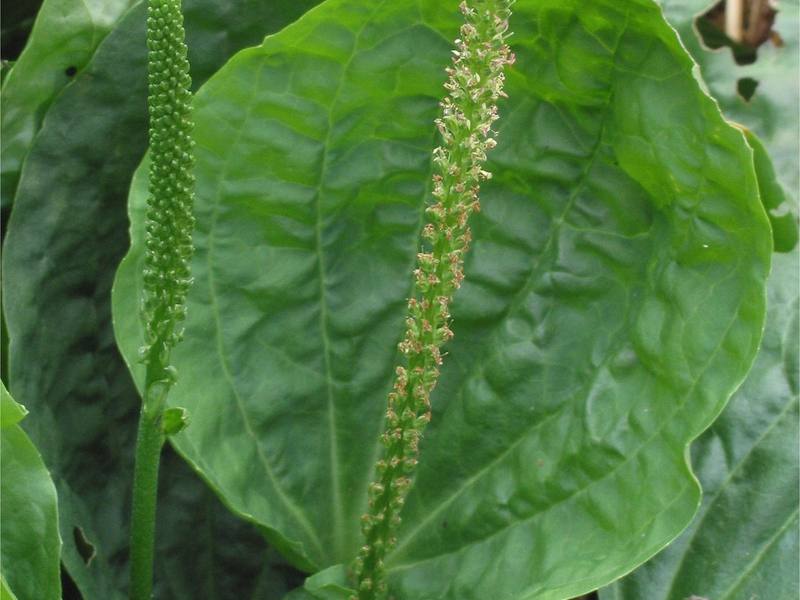
Photo of Broadleaf plantain (Plantago major) showing its field-ID features
Photo: Rasbak, CC BY-SA 3.0, cropped, via Wikimedia Commons

๐Ÿƒ Broadleaf plantain Plantago major

๐Ÿ‘ How to spot itlawn "weed"; low rosette of oval leaves, strong parallel veins (stringy when torn), pencil-like seed spikes.

Traditional use: crushed-leaf poultice for bites, stings, minor skin irritation.

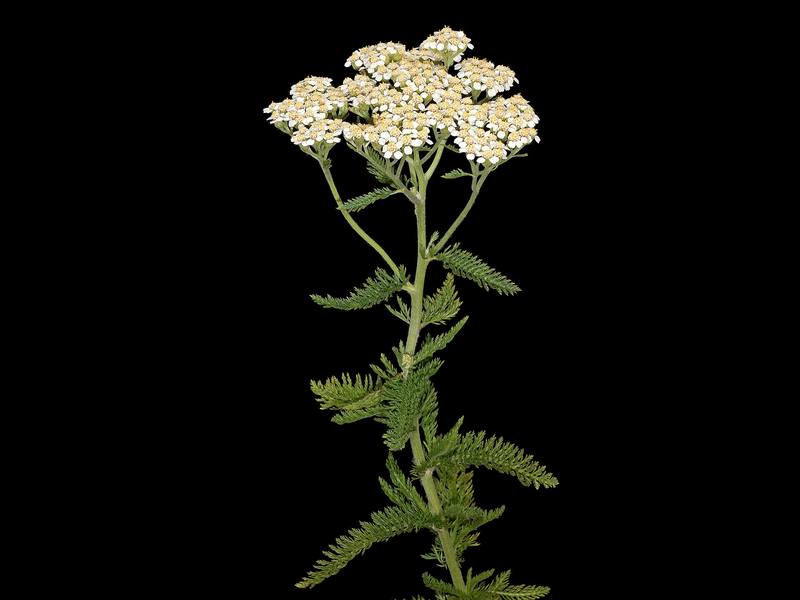
Photo of Yarrow (Achillea millefolium) showing its field-ID features
Photo: SAplants, CC BY-SA 4.0, cropped, via Wikimedia Commons

๐ŸŒผ Yarrow Achillea millefolium

๐Ÿ‘ How to spot itfeathery, finely divided fern-like leaves; flat-topped clusters of small white flowers.

Traditional use: minor cuts (styptic).

โš ๏ธ Deadly carrot-family look-alikes (water hemlock): umbrella-shaped flower clusters on hollow, purple-blotched stems. Skin reactions if allergic to ragweed/daisies.

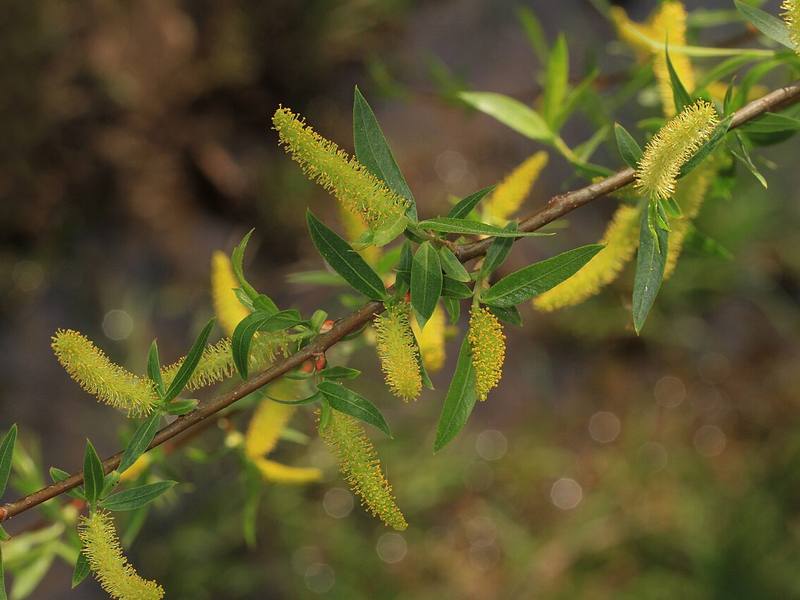
Photo of Black willow (Salix nigra) showing its field-ID features
Shown: Salix nigra (black willow, a common southeastern US willow)Photo: Judy Gallagher, CC BY 2.0, cropped, via Wikimedia Commons

๐ŸŒณ Willow bark Salix spp.

๐Ÿ‘ How to spot itlong narrow leaves, often near water. Inner bark has salicin (aspirin-like).

Traditional use: pain, fever.

โš ๏ธ Same cautions as aspirin: not for children or teens (Reye's syndrome), aspirin allergy, bleeding disorders, ulcers, blood thinners, or pregnancy.

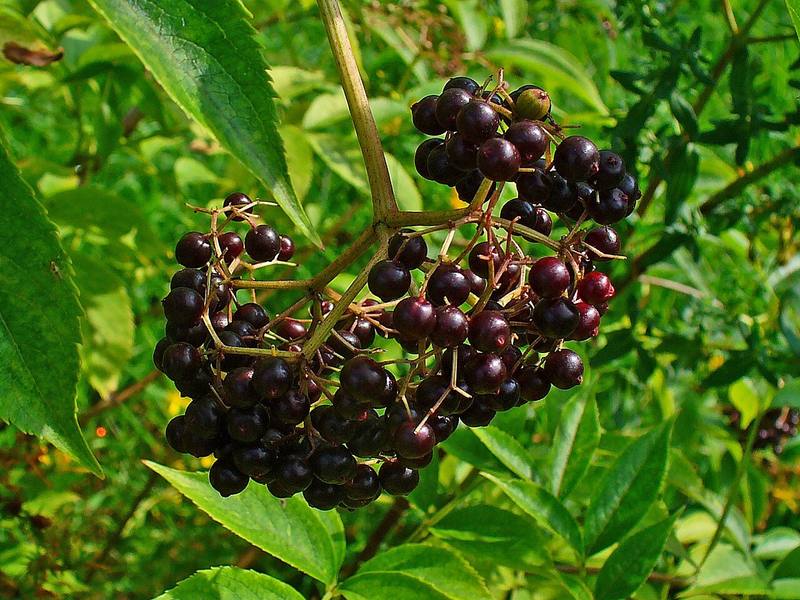
Photo of American elderberry (Sambucus nigra subsp. canadensis) showing its field-ID features
Photo: H. Zell, CC BY-SA 3.0, cropped, via Wikimedia Commons

๐Ÿซ Elderberry Sambucus nigra ssp. canadensis

๐Ÿ‘ How to spot itshrub, compound leaves (5โ€“11 toothed leaflets), flat clusters of tiny white flowers, then purple-black berries.

Traditional use: colds/flu as a cooked syrup.

โš ๏ธ Only fully ripe berries, only cooked. Raw/unripe berries, leaves, stems, bark and roots are toxic.

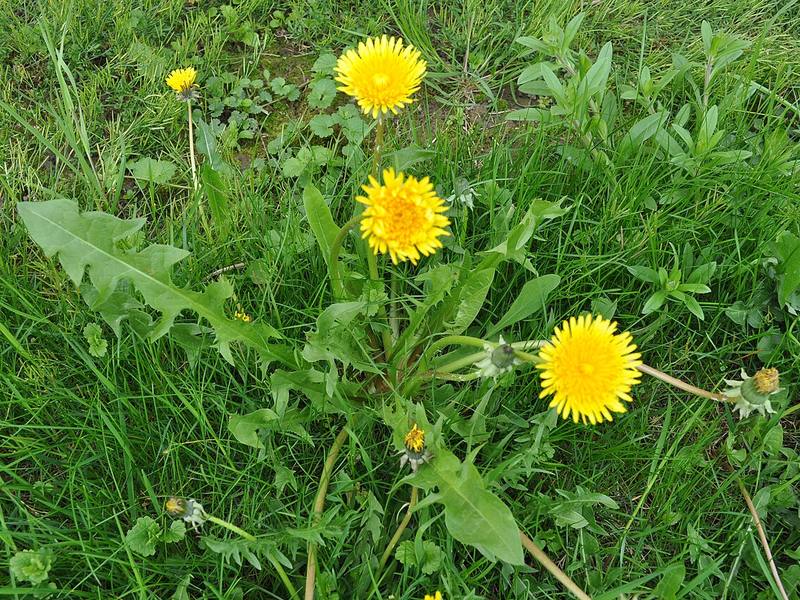
Photo of Dandelion (Taraxacum officinale) showing its field-ID features
Photo: NY State IPM Program at Cornell University, CC BY 2.0, cropped, via Wikimedia Commons

๐ŸŒป Dandelion Taraxacum officinale

๐Ÿ‘ How to spot ittoothed leaves in a rosette; one yellow flower per hollow stem; milky sap.

Use: leaves, flowers, roots edible; traditionally a mild diuretic and digestive bitter.

โš ๏ธ Avoid sprayed lawns/roadsides. May interact with some medications.

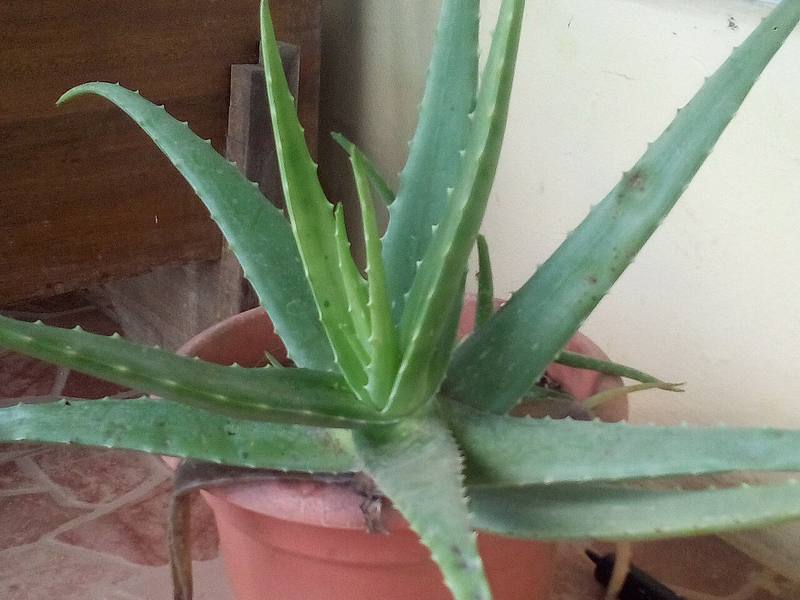
Photo of Aloe vera (Aloe vera) showing its field-ID features
Photo: Lionsleeps23, CC BY-SA 4.0, cropped, via Wikimedia Commons

๐Ÿชด Aloe vera

๐Ÿ‘ How to spot itthick, spiky-edged succulent leaves with clear gel.

Traditional use: gel on skin for minor burns and sunburn.

โš ๏ธ Don't eat it: the yellow latex under the skin is a strong laxative.

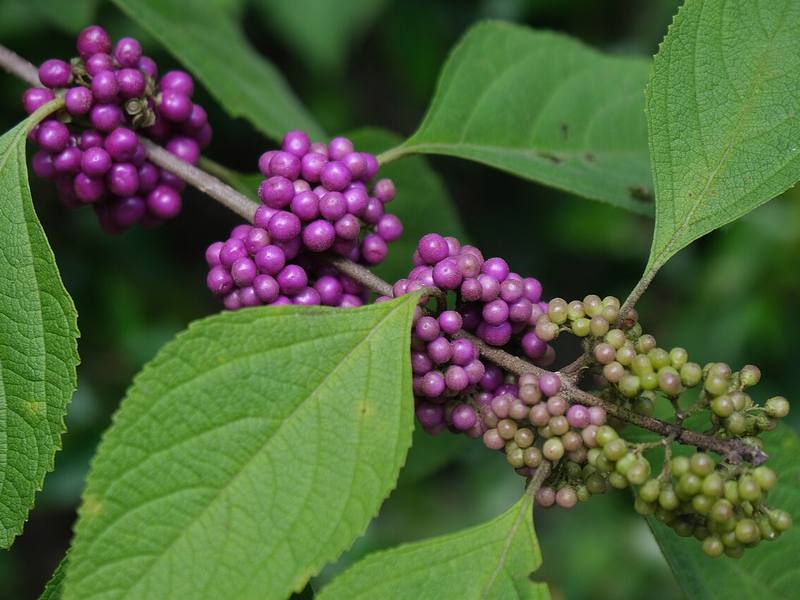
Photo of American beautyberry (Callicarpa americana) showing its field-ID features
Photo: Alex Abair, CC BY 4.0, cropped, via Wikimedia Commons

๐Ÿ’œ American beautyberry Callicarpa americana

๐Ÿ‘ How to spot itFlorida native shrub; bright purple berry clusters hugging the stems in fall.

Traditional use: crushed leaves rubbed on skin as insect repellent (test a small area first).

โš ๏ธ Berries are not a good food raw.

โ˜ ๏ธ Toxic plants: know these (southeastern US examples)

Deadly / highly toxicRash / irritant
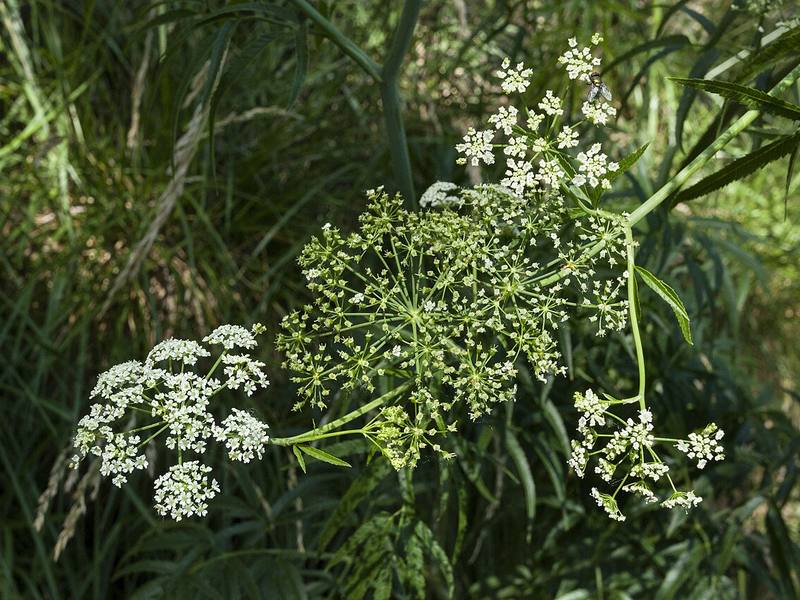
Photo of Spotted water hemlock (Cicuta maculata) showing its field-ID features
Shown: Cicuta maculata (spotted water hemlock)Photo: Patrick Alexander, CC0, via Wikimedia Commons

โ˜‚๏ธ Water hemlock Deadly

๐Ÿ‘ How to spot itwet ditches/marshes; umbrella-shaped white flower clusters; hollow, often purple-streaked stems; chambered root.

A small bite can cause fatal seizures. Avoid all carrot-family look-alikes.

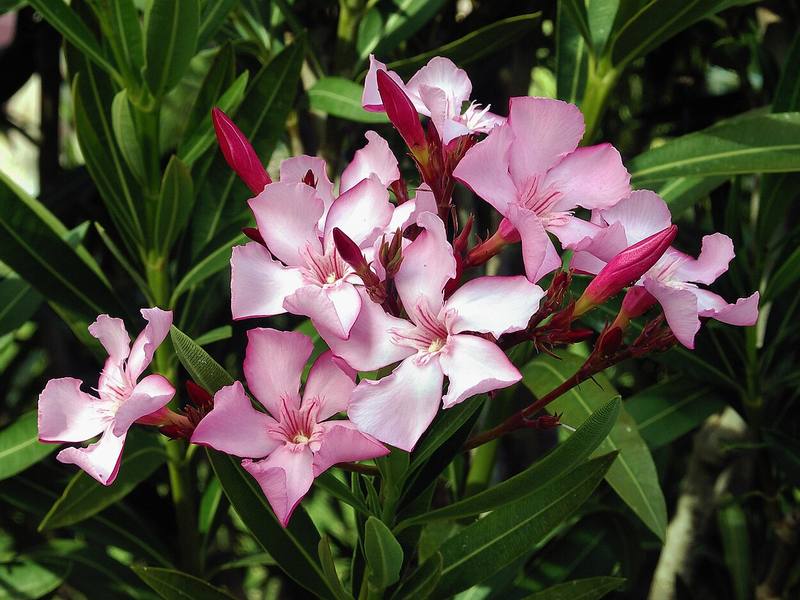
Photo of Oleander (Nerium oleander) showing its field-ID features
Shown: Nerium oleander (oleander)Photo: Alvesgaspar, CC BY 2.5, cropped, via Wikimedia Commons

๐ŸŒธ Oleander Deadly

๐Ÿ‘ How to spot itlandscape shrub; long narrow leathery leaves; pink/white/red flowers.

All parts highly toxic to people and pets (heart poison). Never use for skewers or burn it.

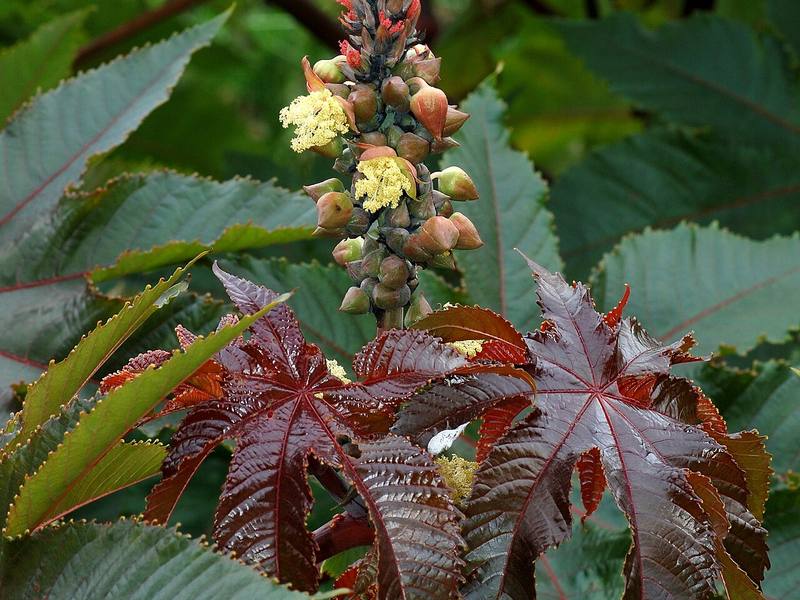
Photo of Castor bean (Ricinus communis) showing its field-ID features
Shown: Ricinus communis (castor bean)Photo: Alvesgaspar, CC BY-SA 3.0, cropped, via Wikimedia Commons

๐ŸŒฑ Castor bean Deadly

๐Ÿ‘ How to spot itlarge star-shaped, often reddish leaves; spiny pods; mottled bean-like seeds.

Seeds contain ricin: deadly if chewed.

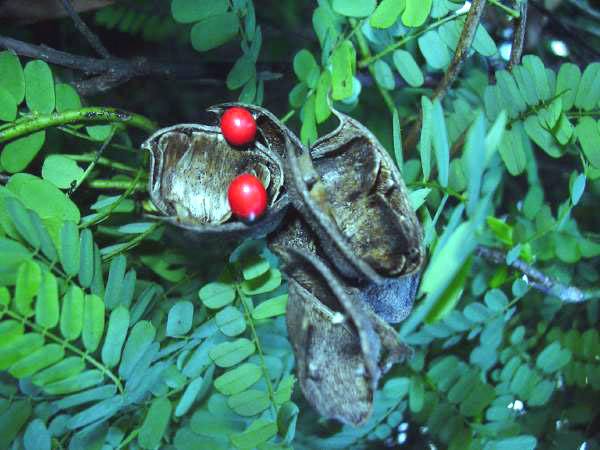
Photo of Rosary pea (Abrus precatorius) showing its field-ID features
Shown: Abrus precatorius (rosary pea)Photo: Forest & Kim Starr (USGS), Public domain, via Wikimedia Commons

๐Ÿ”ด Rosary pea Deadly

๐Ÿ‘ How to spot itinvasive vine, feathery compound leaves; shiny red seeds with a black spot.

Contains abrin: a chewed seed can be fatal. Never use for jewelry.

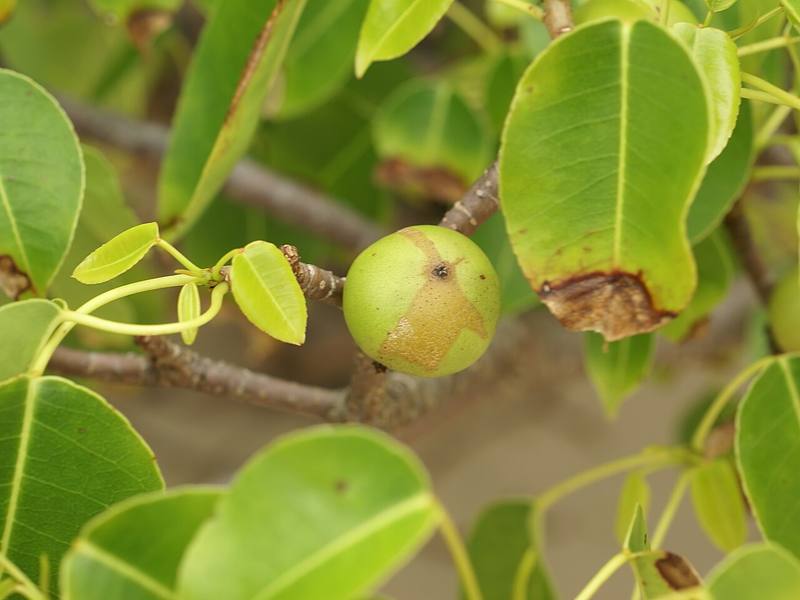
Photo of Manchineel (Hippomane mancinella) showing its field-ID features
Shown: Hippomane mancinella (manchineel)Photo: Hans Hillewaert, CC BY-SA 3.0, cropped, via Wikimedia Commons

๐Ÿ Manchineel Deadly

๐Ÿ‘ How to spot itrare coastal South Florida/Keys tree; small green apple-like fruit; often signposted.

Fruit, sap, even rain dripping off it burn skin and eyes. Never shelter under or burn it.

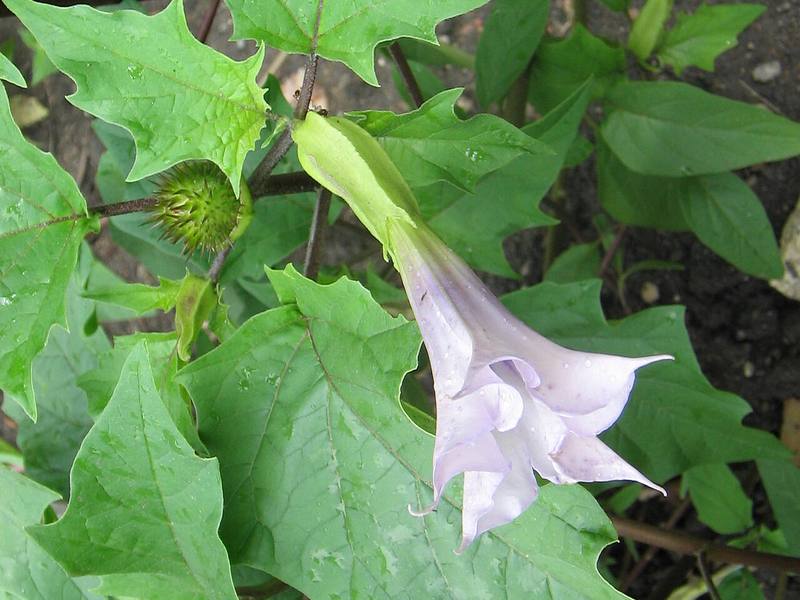
Photo of Jimsonweed (Datura stramonium) showing its field-ID features
Shown: Datura stramonium (jimsonweed)Photo: Taka, CC BY-SA 3.0, cropped, via Wikimedia Commons

๐ŸŒ™ Jimsonweed Datura Deadly

๐Ÿ‘ How to spot itlarge white/purple trumpet flowers; foul-smelling leaves; spiny pods.

All parts toxic: hallucinations, racing heart, death.

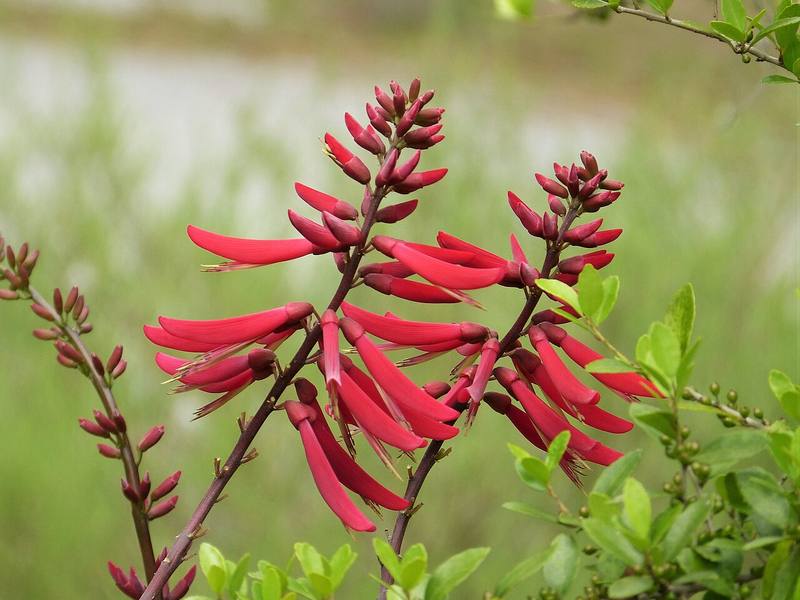
Photo of Coral bean (Erythrina herbacea) showing its field-ID features
Photo: gailhampshire, CC BY 2.0, cropped, via Wikimedia Commons

๐ŸŒบ Coral bean Erythrina herbacea Toxic

๐Ÿ‘ How to spot itnative shrub; tall spikes of red tubular flowers; pods with bright red seeds.

Seeds are poisonous.

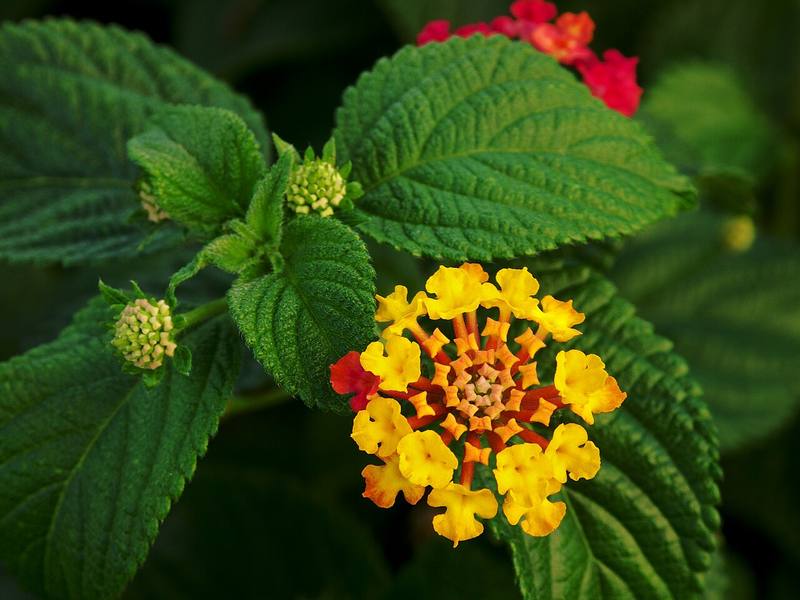
Photo of Lantana (Lantana camara) showing its field-ID features
Shown: Lantana camara (garden lantana)Photo: Alvesgaspar, CC BY-SA 3.0, cropped, via Wikimedia Commons

๐ŸŸ  Lantana Toxic

๐Ÿ‘ How to spot itshrub; clusters of small yellow/orange/pink flowers.

Green (unripe) berries toxic; leaves toxic to livestock and pets. Don't eat the berries.

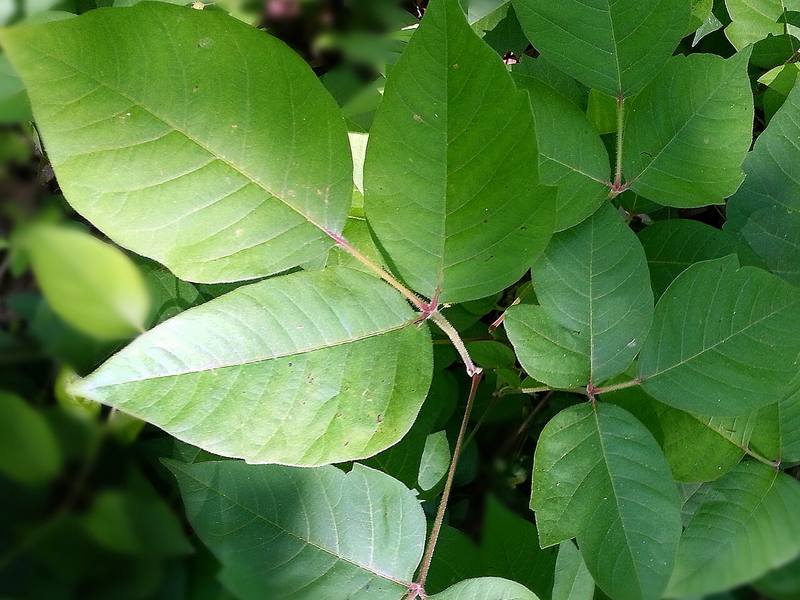
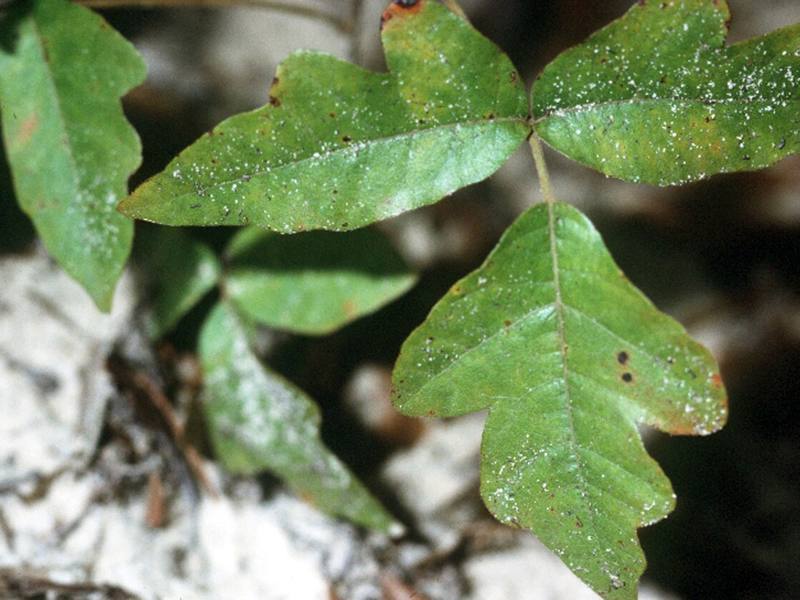
Photo of Poison ivy (Toxicodendron radicans) showing its field-ID features
Shown: Toxicodendron radicans (eastern poison ivy)Photo: Cramyourspam, CC BY-SA 4.0, cropped, via Wikimedia Commons

๐Ÿ‚ Poison ivy Rash

๐Ÿ‘ How to spot it"leaves of three, let it be"; middle leaflet on a longer stalk; hairy-rootlet vine or shrub.

Urushiol rash. Wash with soap + cool water within minutes; wash clothes and tools. Never burn it.

Photo of Atlantic poison oak (Toxicodendron pubescens) showing its field-ID features
Shown: Toxicodendron pubescens (Atlantic poison oak)Photo: Robert H. Mohlenbrock, USDA-NRCS PLANTS Database, Public domain, via Wikimedia Commons

๐Ÿ Atlantic poison oak Rash

๐Ÿ‘ How to spot itlow shrub; three oak-like lobed leaflets, fuzzy undersides; sandy pinelands.

Same urushiol rash as poison ivy.

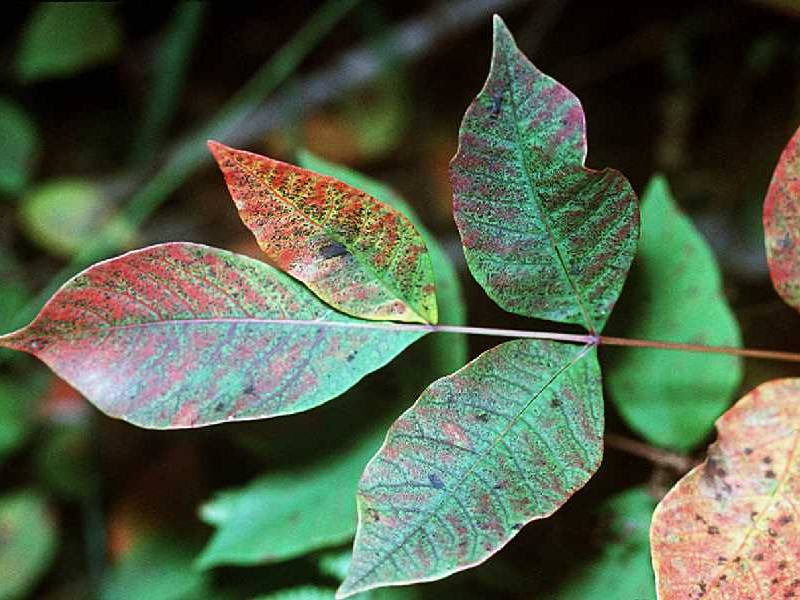
Photo of Poison sumac (Toxicodendron vernix) showing its field-ID features
Shown: Toxicodendron vernix (poison sumac)Photo: Robert H. Mohlenbrock, USDA-NRCS PLANTS Database, Public domain, via Wikimedia Commons

๐ŸŒฟ Poison sumac Rash

๐Ÿ‘ How to spot itswamps/wet areas; 7โ€“13 smooth leaflets on red stems; drooping white/gray berries.

Very strong urushiol rash.

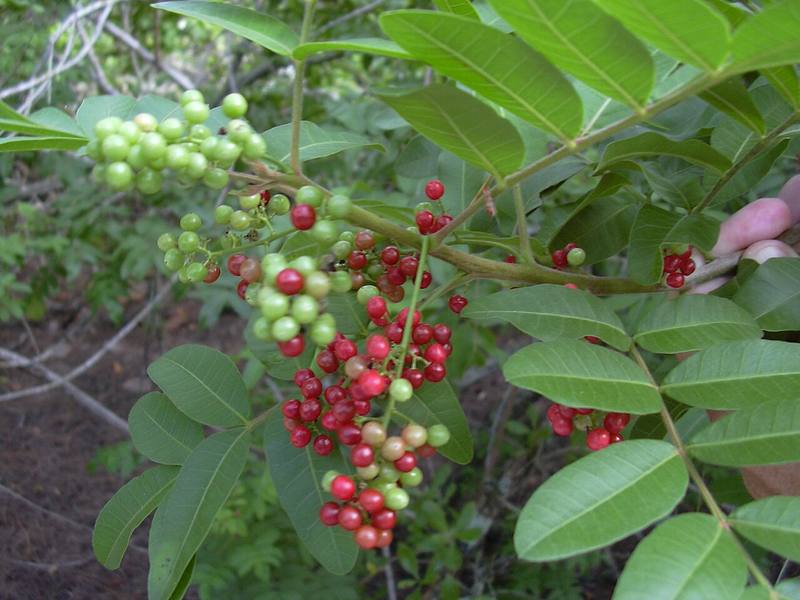
Photo of Brazilian pepper (Schinus terebinthifolia) showing its field-ID features
Shown: Schinus terebinthifolia (Brazilian pepper)Photo: Forest & Kim Starr, CC BY 3.0 US, cropped, via Wikimedia Commons

๐ŸŒถ Brazilian pepper Irritant

๐Ÿ‘ How to spot itinvasive across Central/South Florida; 3โ€“13 leaflets, peppery smell crushed; red berry clusters in winter.

Poison-ivy relative: sap and blooms cause rash and breathing irritation.

๐Ÿ“ž Save Poison Control: 1-800-222-1222. Photo the plant (or bag a sample) for responders. More: UF/IFAS Extension (EDIS).

๐Ÿ“š Sources & disclaimer

Based on public guidance from: Ready.gov โ€” Build a Kit ยท Ready.gov โ€” Water ยท CDC โ€” Water in emergencies ยท EPA โ€” Emergency disinfection of drinking water ยท CDC โ€” Carbon monoxide ยท American Red Cross โ€” Prepare ยท Stop the Bleed ยท Florida FWC ยท UF/IFAS Extension ยท Poison Control ยท US Forest Service (S.T.O.P.) ยท US Army survival field manual principles (FM 21-76 / ATP 3-50.21).

This guide is for general education and preparedness. It is not a substitute for training, professional medical care or official instructions. Laws on fires, fishing, trapping and foraging vary โ€” follow your state/country and local rules. Verify everything locally. In an emergency call 911.